Column · @moldremediationexpertszone
Why You Need Mold Remediation Experts for a Safer Home
I have seen what happens when a homeowner tries to tackle a mold problem with bleach and a scrub brush. The smell stays, the stains return, and within weeks the spores are back. Mold is not just a cosmetic issue. It is a health hazard and a structural threat. The difference between a temporary fix and a permanent solution often comes down to calling in mold remediation experts who understand how moisture, airflow, and building materials interact.
After years in this field, I can tell you that the most common mistake people make is treating mold like dirt. It is not. Mold is a living organism that spreads through microscopic spores. When you disturb a colony without proper containment, you send those spores into the air where they can land on new surfaces and start growing again. That is why the Environmental Protection Agency recommends professional remediation for any area larger than a few square feet. The EPA guidelines are clear: containment, filtration, and removal must follow a protocol.
What Sets Professional Remediation Apart
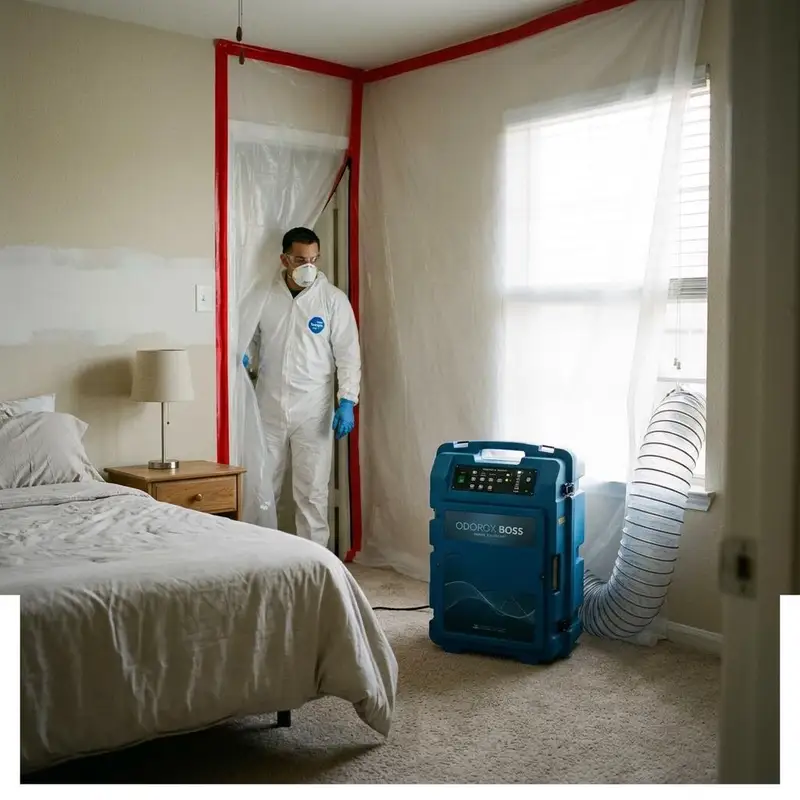
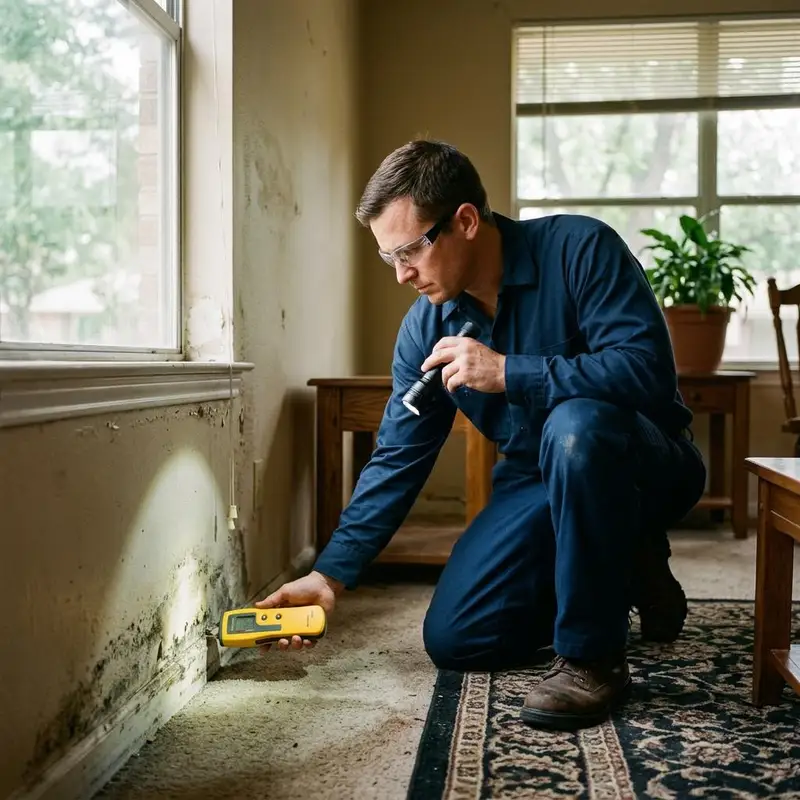
Professional mold remediation experts follow standards set by organizations like the Institute of Inspection Cleaning and Restoration Certification (IICRC) and the American Industrial Hygiene Association (AIHA). These standards cover everything from how to seal off a work area to what level of personal protective equipment is required. A certified technician uses a moisture meter to find hidden damp spots behind walls and under flooring. They rely on a HEPA vacuum to capture spores that standard vacuums just blow around. They know that bleach kills surface mold but does not penetrate porous materials like drywall or wood.
I have seen homeowners use bleach on a patch of black mold only to have it reappear three weeks later. That is because the roots, called hyphae, remain embedded in the material. A professional will use products like Concrobium or RMR-141 that chemically alter the surface to prevent regrowth. They may also apply Mold Armor for ongoing protection in humid environments.
The Health Risks Are Real
Black mold, or Stachybotrys chartarum, is the type most people worry about, but any mold can trigger allergic reactions, asthma attacks, and respiratory infections. The Texas Department of State Health Services warns that prolonged exposure to indoor mold can lead to chronic health problems. Children, the elderly, and people with weakened immune systems are especially vulnerable. That is why the National Association of Mold Remediation Specialists emphasizes thorough testing and removal rather than just cleaning visible growth.
A mold testing kit from a hardware store can tell you that spores are present, but it will not tell you the species or the concentration. For that, you need a professional assessment. Many remediation companies partner with industrial hygienists who take air samples and surface samples, then send them to a lab for analysis. This is not overkill. It is how you know whether the problem is contained or whether it has spread into your HVAC system or crawl space.
Moisture Control Is the Real Fix
Remediation without addressing the moisture source is like painting over rust. The mold will come back. That is why the best mold remediation experts also inspect for leaks, poor drainage, and ventilation problems. In Fort Worth, where humidity can stay high for months, attic ventilation and crawl space moisture barriers are critical. A dehumidifier running in a basement or a crawl space can reduce relative humidity below the threshold where mold thrives, which is around 60 percent.
I once consulted on a home where the owners had spent thousands on remediation but ignored a slow leak in the master bathroom. Within six months the mold was back in the same spots. The lesson is simple: you need someone who looks at the whole system, not just the visible growth. A moisture meter can detect damp wood behind a shower wall before you ever see a stain. That kind of proactive approach saves money and stress.
Do-It-Yourself vs. Professional: Know the Limit
There is a place for do-it-yourself cleaning. A small patch of mildew on a tile grout line can be wiped away with white vinegar or hydrogen peroxide. These are effective for surface cleaning in non-porous areas. But once mold gets into drywall, carpet, or wood framing, DIY methods fall short. The spores penetrate deep, and without a HEPA vacuum and negative air pressure, you risk spreading contamination throughout your home.
I have seen people use bleach on a moldy ceiling and end up with discolored drywall that crumbles when touched. Bleach is harsh on materials and releases fumes that can irritate lungs. Hydrogen peroxide is gentler but still only works on non-porous surfaces. For porous materials, professionals often use Concrobium, which leaves a crystalline barrier that resists future growth. RMR-141 is another option that works well on hard surfaces and can be applied with a sprayer. Mold Armor offers a line of products for outdoor use, but indoor applications require careful ventilation.
Certifications Matter
When you hire mold remediation experts, look for certifications from the IICRC or the AIHA. These show that the company follows industry standards for safety and effectiveness. The National Association of Mold Remediation Specialists also provides training and certification that many reputable companies carry. In Texas, the Texas Department of State Health Services does not license mold remediators directly, but they do offer guidelines that responsible companies follow.
A certified company will use containment barriers, HEPA-filtered air scrubbers, and proper disposal methods. They will also provide a written scope of work and a post-remediation verification to confirm that spore levels have returned to normal. This is not just paperwork. It is proof that the job was done right.
Practical Steps You Can Take
- Fix any plumbing leaks within 24 hours to prevent moisture from soaking into wood and drywall.
- Keep indoor humidity below 60 percent with a dehumidifier, especially in basements and crawl spaces.
- Improve attic ventilation by checking soffit vents and ridge vents are not blocked.
- Use a moisture meter to check for dampness in walls and floors after heavy rain.
- If you find a persistent mold spot larger than a dinner plate, call mold remediation experts for an assessment.
Why Fort Worth Homeowners Need to Be Vigilant
Fort Worth has a climate that is hard on homes. Hot summers, frequent thunderstorms, and high humidity create ideal conditions for mold. I have inspected homes in this area where mold was growing behind furniture that sat against an exterior wall. The wall was cool from the air conditioning, and the warm moist air from outside condensed on the surface. That is a recipe for trouble. A good remediation company will not just treat the mold. They will help you identify and correct the conditions that allow it to grow.
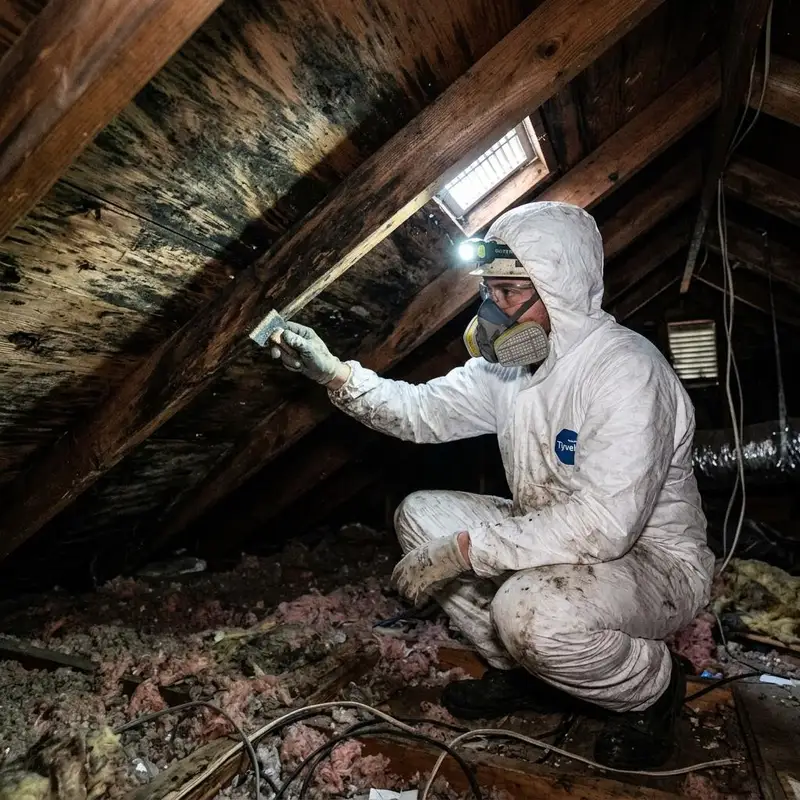
One thing I always tell homeowners is that mold is not a sign of a dirty house. It is a sign of a moisture problem. Even the cleanest home can grow mold if there is a hidden leak or poor ventilation. That is why professional inspection and remediation are worth the investment.
If you are dealing with a recurring mold issue, do not keep throwing bleach at it. Call in mold remediation experts who can get to the root of the problem. They have the tools, training, and experience to make sure the mold stays gone. Your health and your home are worth it.